
Taxi News
12 May 2026 · 3 min read
Future of Taxi Advertising
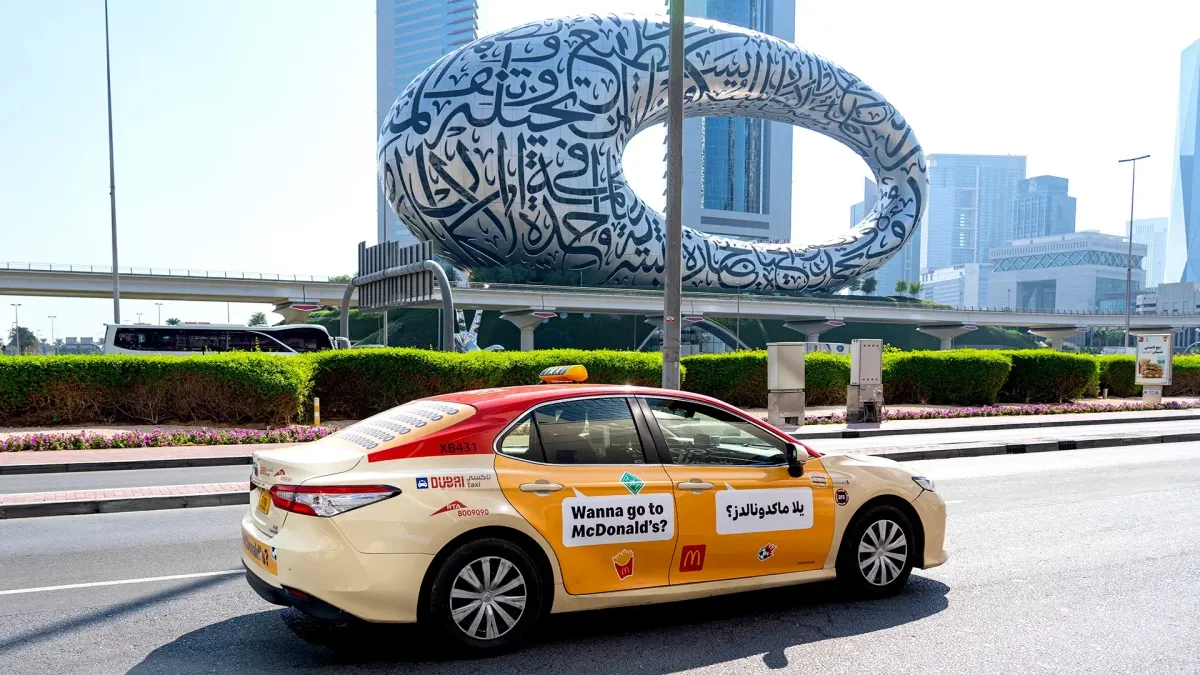
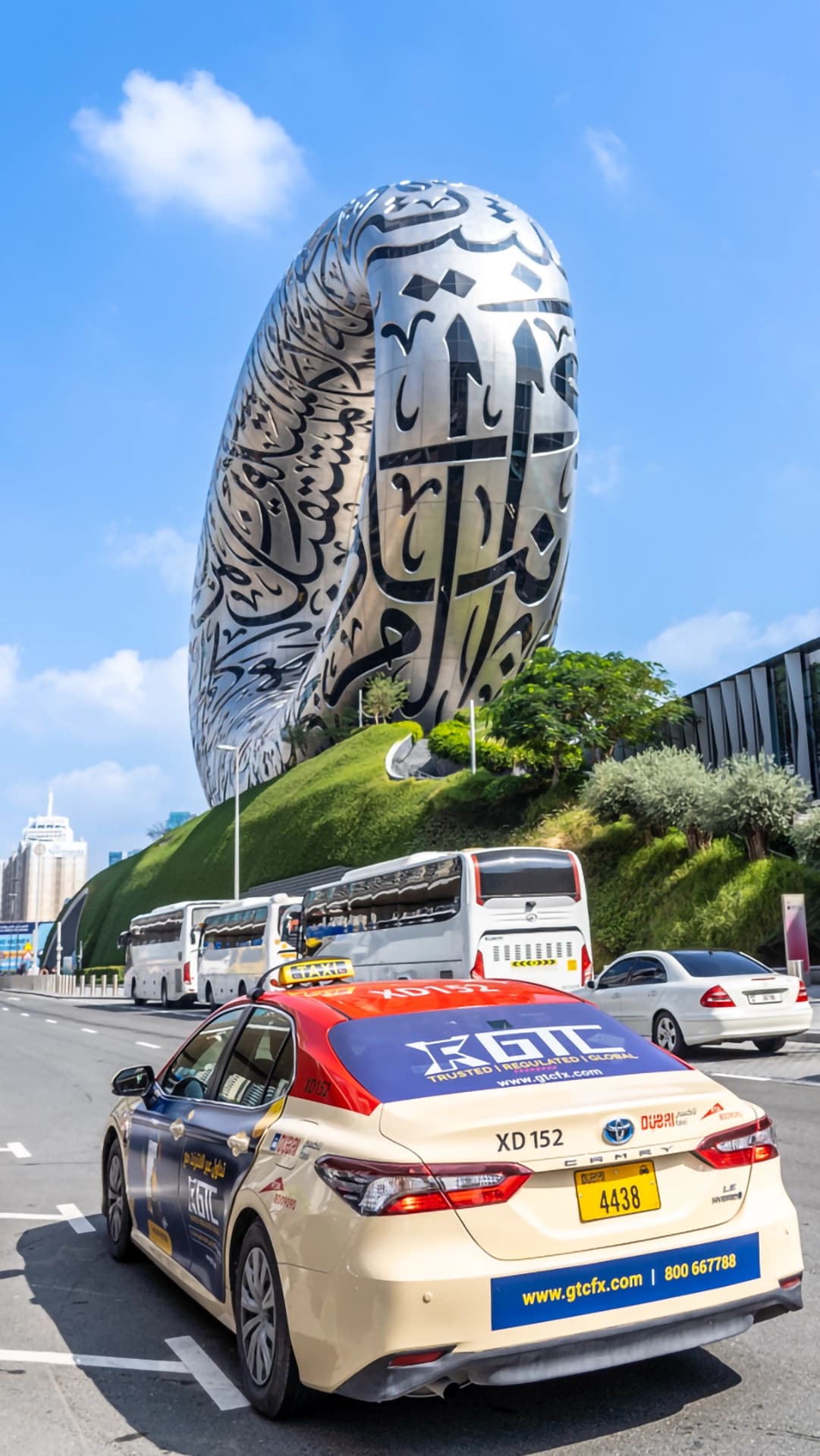
Taxi advertising has always been a powerful form of out-of-home (OOH) marketing. From branded vehicle wraps to in-car posters, taxis help brands reach commuters, tourists, and city travelers in high-traffic urban environments. But like many traditional media channels, taxi advertising is evolving quickly due to digital technology, data, and changing consumer behavior.
Here’s a clear and structured look at where taxi advertising is heading.
1. From Static Ads to Digital Taxi Media
Traditionally, taxi advertising meant the following:
- Exterior car wraps
- Roof-top lightbox ads
- Printed posters inside vehicles
Now, it is shifting toward digital formats such as
- In-car digital screens
- Tablet-based ad displays
- Interactive video ads
- GPS-triggered content
This allows advertisers to update messages instantly instead of waiting weeks for new print campaigns.
In the future, taxis will increasingly function as mobile digital screens on wheels.
2. Rise of Smart Taxi Screens
Modern taxis are starting to install digital screens inside vehicles. These screens can display:
- Video advertisements
- Real-time promotions
- Location-based offers
- Weather-based messaging
For example:
- A food delivery ad can appear during lunch hours
- A retail discount can appear when near shopping malls
- A travel ad can appear near airports or hotels
This makes taxi ads more relevant and timely than static posters.
3. Data-Driven and AI-Powered Targeting
Artificial Intelligence (AI) is making taxi advertising much smarter.
AI can help advertisers:
- Identify high-demand taxi routes
- Analyze passenger demographics
- Predict peak travel times
- Customize ads based on location and context
For example, a luxury brand might target airport routes, while a fast-food brand may target nightlife districts.
This turns taxi advertising into a precision targeting tool rather than a mass awareness channel.
4. GPS-Based and Location-Sensitive Advertising
One of the biggest advantages of taxis is mobility. With GPS integration, ads can now change depending on where the taxi is.
Future capabilities include:
- Ads triggered by location (e.g., malls, stadiums, airports)
- Contextual ads based on traffic zones
- Real-time promotions for nearby stores
For example, if a taxi passes a shopping center, passengers may see a discount offer for stores inside that mall.
This makes taxi advertising highly dynamic and location-aware.
5. Integration with Mobile and Digital Campaigns
Taxi advertising is becoming part of larger omnichannel marketing strategies.
A typical customer journey might look like:
- Sees a taxi ad in the city
- Later sees the same brand on social media
- Searches for the product on mobile
- Completes purchase online
To support this, taxi ads now often include the following:
- QR codes
- App download links
- Short URLs
- NFC tap features
This bridges offline exposure with online engagement.
6. Growth of Ride-Hailing and App-Based Taxis
The rise of ride-hailing platforms like Uber and Careem is changing how taxi advertising works.
Unlike traditional taxis, app-based rides allow the following:
- Digital control over in-car screens
- Better passenger data insights
- Personalized ad delivery
- Programmatic ad buying
This creates a more structured and scalable advertising ecosystem.
7. Programmatic Taxi Advertising
Programmatic advertising is becoming a major trend in taxi media.
Instead of manually booking ads, advertisers can:
- Buy ad space automatically
- Target specific routes or times
- Adjust campaigns in real time
- Optimize performance using data
This improves efficiency and reduces wasted ad spend.
8. Better Measurement and ROI Tracking
One of the biggest improvements in taxi advertising is measurement.
In the past, it was difficult to track results. Now advertisers can measure the following:
- Number of impressions (views)
- Passenger engagement with screens
- QR code scans
- Website traffic from ads
- App installs and conversions
This makes taxi advertising more accountable and performance-driven.
9. Enhanced Passenger Experience
Future taxi advertising will not only promote brands but also improve the passenger journey.
Examples include:
- Entertainment content alongside ads
- Interactive games or quizzes
- Local information (restaurants, events, attractions)
- Personalized recommendations
Instead of being intrusive, ads become part of the travel experience.
10. Sustainability and Smart Mobility Integration
As cities focus on sustainability, taxi advertising is also evolving.
Key trends include:
- Electric taxis with digital dashboards
- Reduced printed materials
- Energy-efficient screens
- Integration with smart city transport systems
In highly developed transport ecosystems like the RTA Dubai Public Transport network, digital transformation is already shaping how urban mobility and advertising work together.
Related News
30 December 2025 · 4 min read
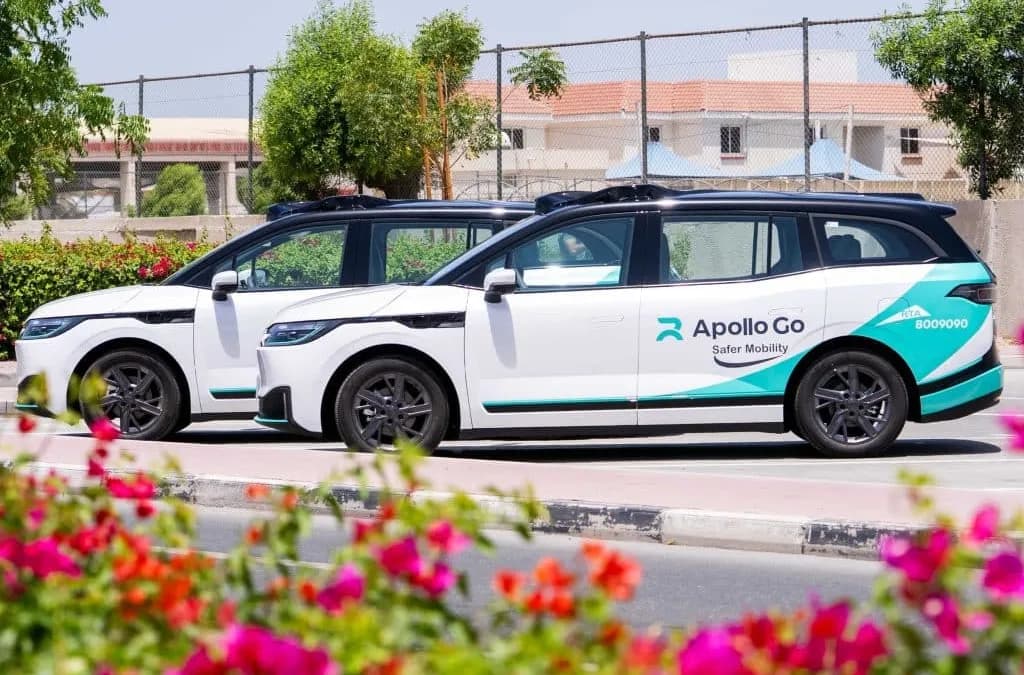
Driverless Taxis in Dubai to Bring a Fresh Platform for Advertisers
Discover how Dubai’s upcoming driverless taxis will create a new platform for advertisers, offering high visibility and smart digital campaign opportunities.
Read Article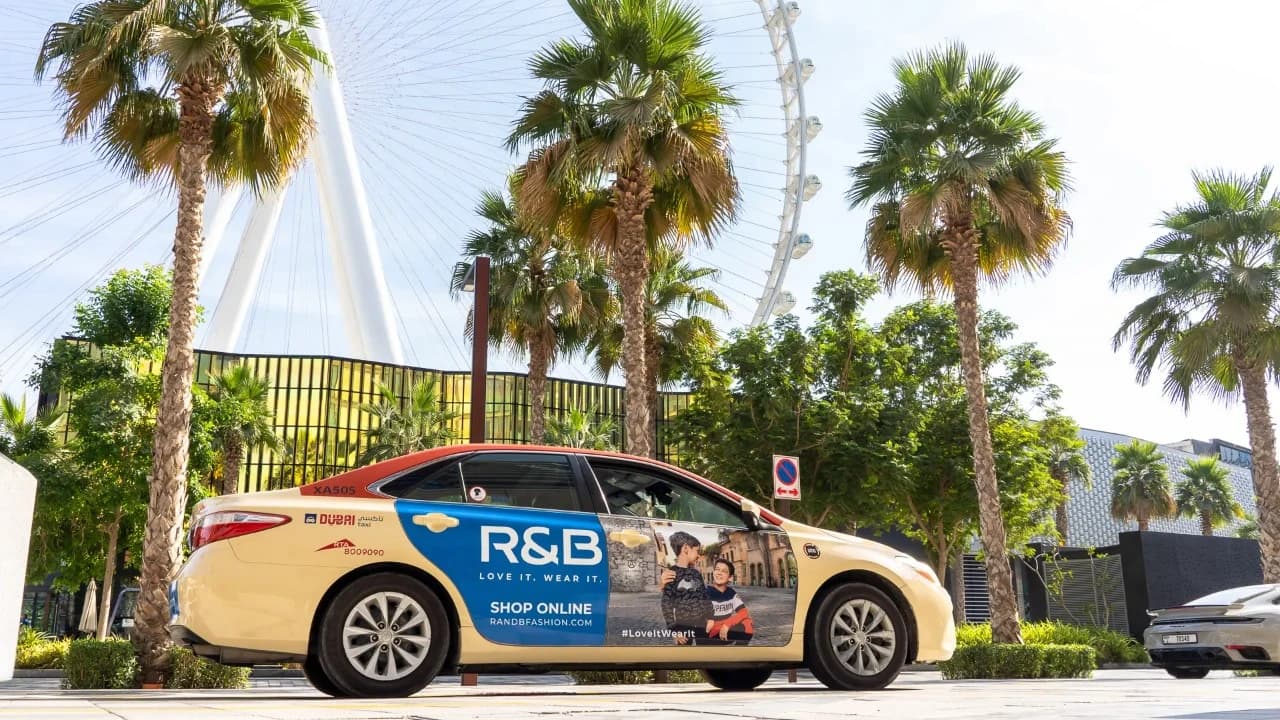
30 December 2025 · 3 min read
Wrapped in Style: How R&B’s Taxi Takeover Transformed Fashion Advertising in Dubai
Discover how R&B’s taxi advertising campaign in Dubai drove buzz, boosted footfall and left a lasting impression—an inspiring case study by Taxi Advertising.
Read Case StudyTaxi campaigns
Take a look at our recent campaigns, and join our global success story.
ADIB
UAE
R&B
UAE
Ready to start your meter?
Ready to Start? Fill in the form below, and one of our media experts will get back to you.